By, Liam Critchett
Abstract
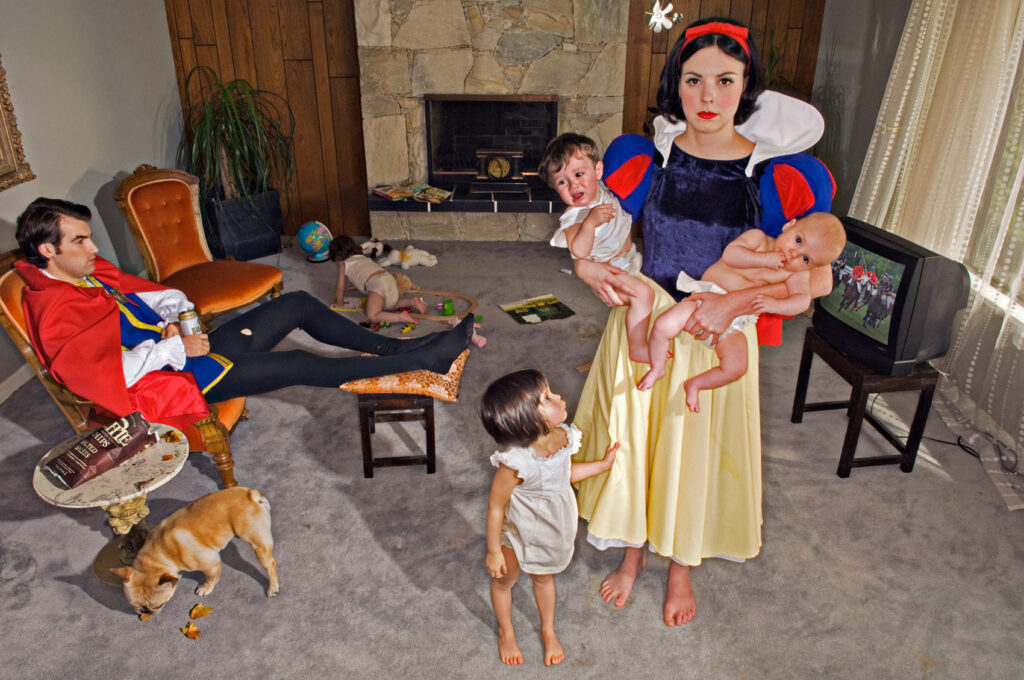
My project is an analysis into the breakdown of why gender roles in fairy tales are pushed on women due to the authors choices. The biggest problem in these stories I have found comes from the way women are continually represented, and the inability for change or evolution in these characters. The authors who wrote these stories had the view that women belonged in the domestic sphere and relied almost entirely on the men around them for basic life necessities. Although the original Fairy Tales provide many important life lessons, because of the ideals from time they were written in along with forcing women into the domestic sphere, the message cannot be received in the same way by children today because of progressiveness in the world today. By using the articles of highly respected authors within the field of dissecting fairy tales, and analyzing the works created by those individuals my paper will highlight the reoccurring issues fairy tales have when addressing gender roles. With this new understanding, my paper will allow the average reader to understand the problems fairy tales have when being passed to the younger generations while reviewing solutions to allow these timeless works to be better suited for the world we live in today. By shifting the focus of fairy tales to match the diversity and acceptance our world has today, it will allow the readers to better understand the people and surroundings that they will come across in the real world.
Project 3
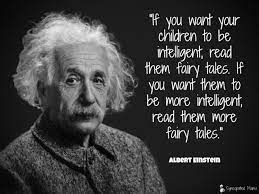
From the time the first fairy tale was created it was always intended to provide life lessons to the young audience to allow them to grasp the world around them without prior experience. These fairy tales represented the time of their creation, allowing them to be understood by making assumptions of the characters to fit the cultural norms of the time to provide a sense of stability to the readers. To provide the best messages to the readers in the world we live in today, the fairy tales should be re-written to promote diversity and acceptance that is represented by our ideal society today. By addressing problems that each generation will face within their lives, the authors of original fairy tales provided an extended life span to their stories which few works are lucky enough to have, but it is because of this design that it is more important to adapt the works to evolve along with the time. Although the original Fairy Tales provide many important life lessons, because of the ideals from time they were written in along with forcing women into the domestic sphere, the message cannot be received in the same way by children today because of progressiveness in the world today.
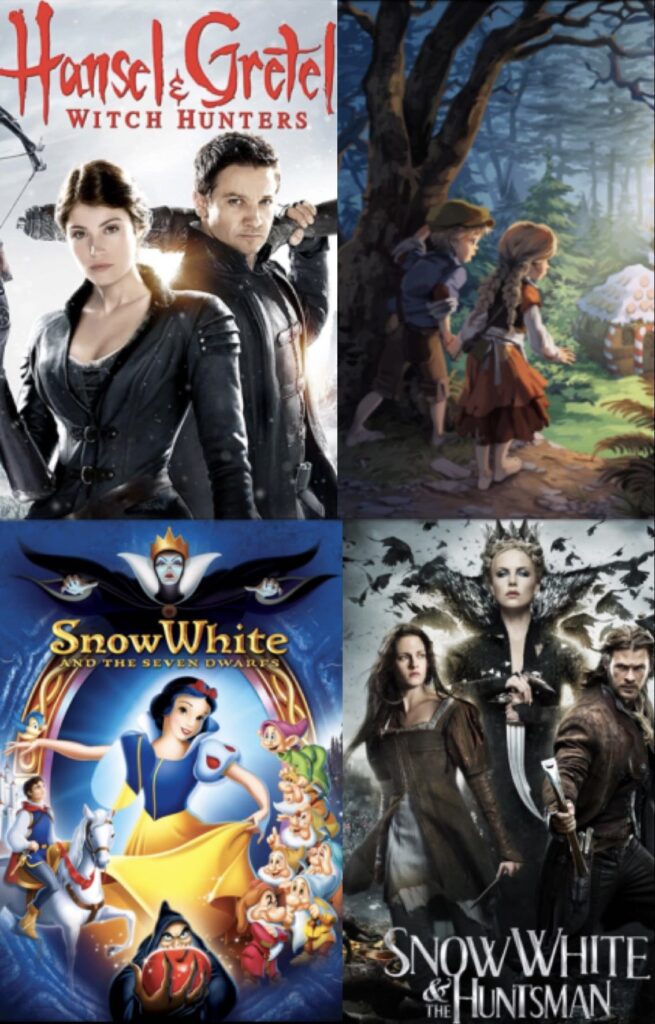
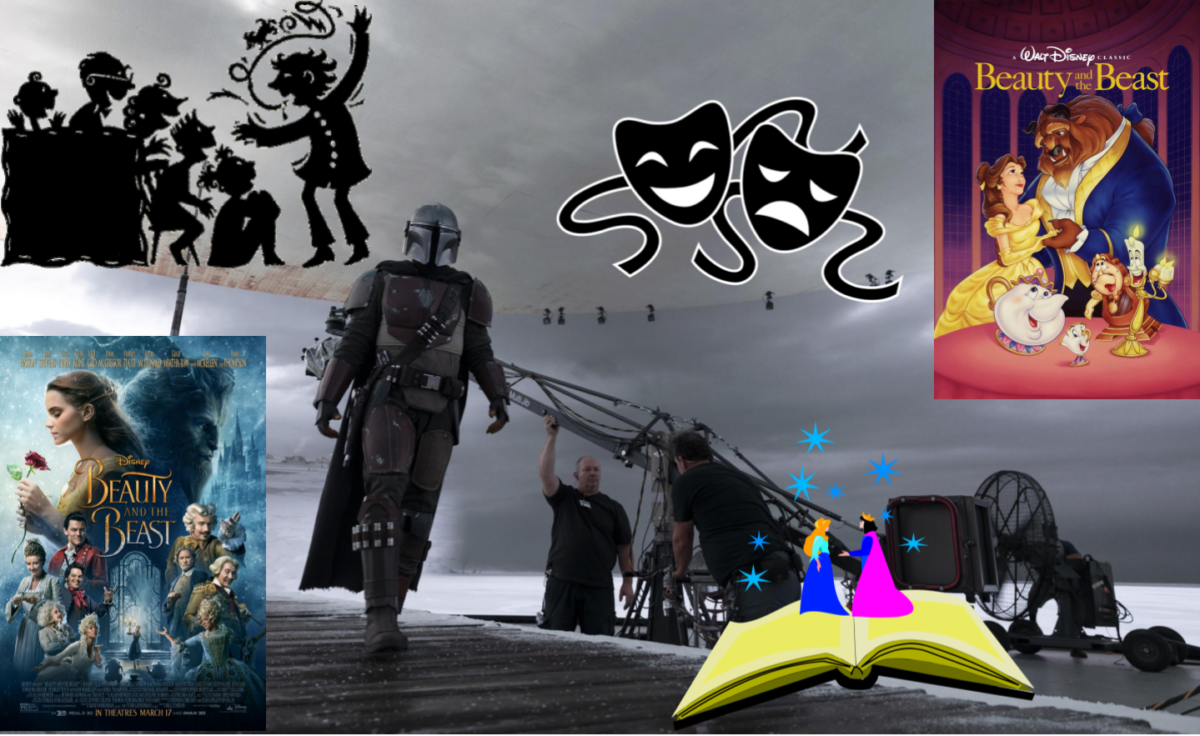
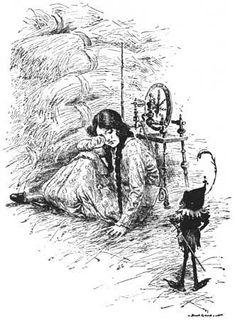
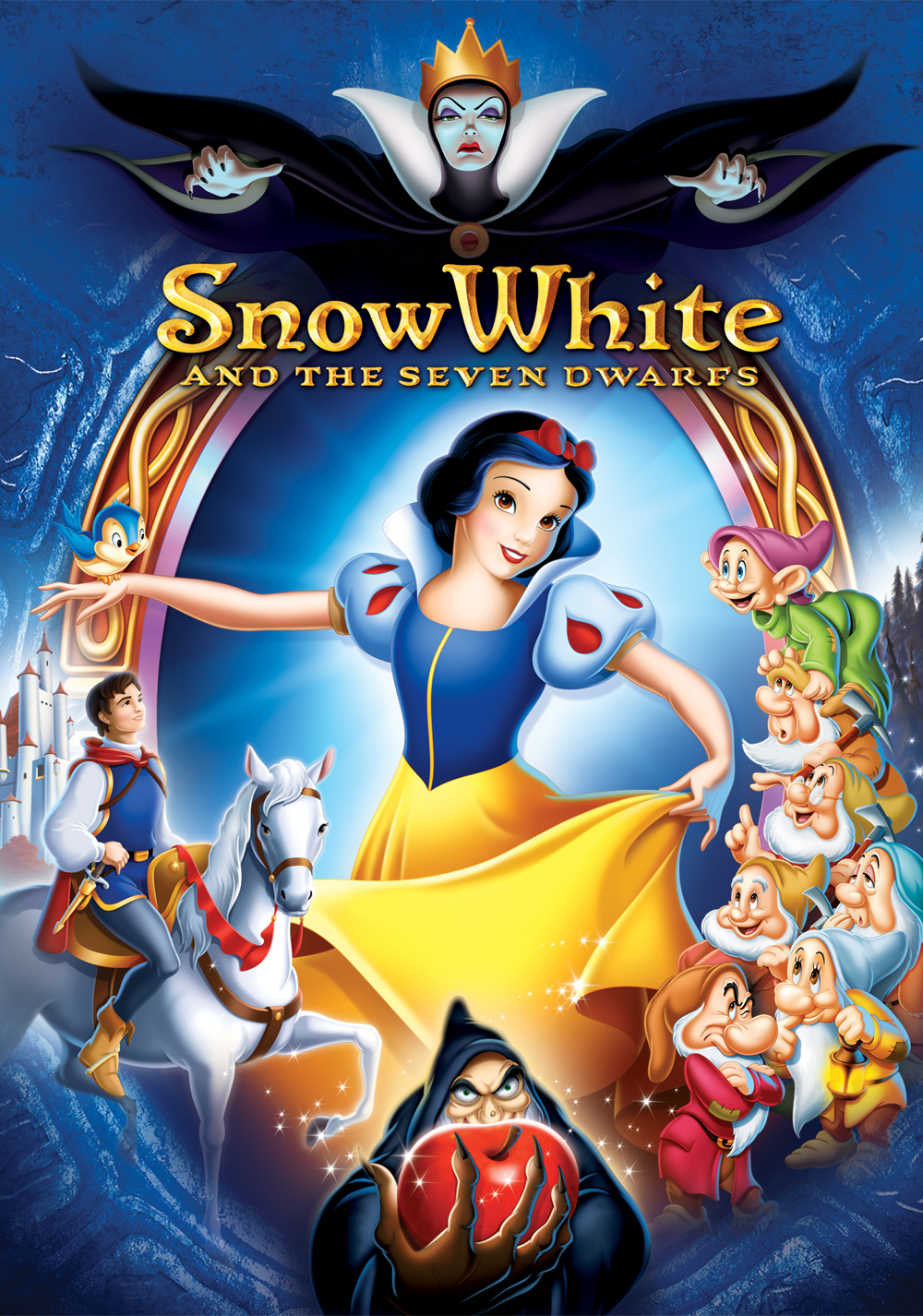
Fairy tales undervalue and push female characters to the side of the story to further the narrative that which women need to rely on men to survive. One of the most obvious times this happens comes from the early version of Rumpelstiltskin by the Brothers Grimm. Where in the story the daughter of a mill owner is locked inside a castle to spin straw into gold, throughout the story she bargains with Rumpelstiltskin to eventually be rescued by him. This not only represents the female character as being helpless but also categorizes her into a subservient job equivalent to sewing which would be a widespread activity for women in the household at the time. Also, the Millers daughter is used as a bargaining chip to the king of the land to try and appear as holding a higher class by no work of his own. By targeting these central ideas to the story, it is not intended breakdown the original storyline and messages that come with it. However, if this same story were to be read today by a young audience, the cunning and witty messages would be missed because the father daughter dynamics have changed so drastically this would seem far from normal. The issues have been covered by many scholarly articles one of which is written by Allison Craven, who discusses the blatant sexism that is present in almost all original fairy tales. ‘The book discusses the “the rise of post-feminism, and its implicit disavowal of feminism, the mythopoetic men’s movement and the crisis of masculinity’” (Craven). With her entire thesis being about the importance of the post-feminism era, while discussing the clear avoidance of Belle being the main character in the Disney production of Beauty and the Beast, Craven targets the inability for fairy tales to represent women accurately. She does not stop there, but also brings up the importance of shifting these beliefs in order to not impart them on the growing generation as it rejects the world of acceptance and diversity present today. Another important idea she brings up comes from the adaptations of these fairy tales into movies by Disney, in which they still carry on these problematic scenarios instead of working through these assumptions made hundreds of years ago by the men in power. One of the reasons Craven holds so much weight in these Disney adaptations stems from the ability of the producers and directors to alter characters and how they are represented without changing the story to better inform the viewers of the message the movie is presenting. Craven places more emphasis on the changes needing to come from Disney in the adaptations of the fairy tales because without changing these characters within the story, the movies continue to perpetuate the sex roles defined by men for women hundreds of years ago while these standards are presented to the newer generation leading to the continued struggles for women in today’s world. Why Craven’s argument within her article is so important comes from the lack of responsibility Disney takes for continuing these misogynistic ideals, as the adaptations are in some way carbon copies of the original work. Some may argue that the intended goal of Disney and the fairy tale movies are to represent the original fairy tales most accurately to preserve the messages while spreading the works to the most amount of people. However, with these ideas in mind the original fairy tales are already successful which negates the idea of them becoming more widespread through a film adaptation. With that being said, the messaging can still hold value without the story degrading groups of characters just because the original authors did as well. This is an age-old debate, but from the articles written by Seifert, they begin to discuss the missed opportunities within adaptational works to include diverse characters to show inclusion where it does not affect the story. With male authors refusing to branch out from the heterosexual characters originally in the works, fairy tales lack the evolution seen in the world today and often misrepresent the readers of the story or even hold readers and viewers back from interacting with the story because they do not see themselves within the story. All these ideas allow readers and viewers of the fairy tales to be pushed away by no fault of their own and develop the sense that they are alone in the world.
The importance of developing characters to build around in a story is one of the main principles of fostering a strong narrative that captures the reader’s attention. One of the main concerns these fairy tales bring to light is the lack of character development, and in many cases allowing the audience to use only assumptions to describe the entire character. This can be argued that in written works it is important that the audience is able to paint their own picture, showing how descriptive the author is allowing for readers to be immersed in the story. However, this is not the case for fairy tales as the authors of the original works have chosen to not only misrepresent women but also criminally under develop all male characters to influence the readers to assume most of the important characteristics of their favorite characters. With so much time focusing on the importance of women being controlled by men in many of the stories, like Rumpelstiltskin as well as The Frog King. As women are pigeon-holed in these stories, often over analyzed, and targeted around the problem, men in these stories are an afterthought which is the topic of Attebery’s article. By targeting the men as the underdeveloped characters, it illuminates the lack of depth they have, making it important for the audience to assume what the author is saying to fill in the blanks. The assumptions however are targeting an audience hundreds of years ago with far underdeveloped cultural norms to the world we live in today, which brings the fairy tales again to the adaptations through Disney and the articles mentioned before. Craven already highlighted the lack of ownership Disney took in recreating these stories for film, and Seifert’s point comes to the forefront of this discussion as well. With all the characters being underdeveloped and assumptions made through standards that are far from acceptable, it requires the question of if Disney supported these ideas. Although this would explain the lack of character development to accompany the over sexualization of women, these patriarchal views are furthered by Disney but not perpetuated by them. To Seifert’s point many opportunities to implement different sexualities as well as diverse characters are lacking, and for fairy tales to impact the next generation with the great messages that they carry it critical to encompass all parts of human nature today. This brings me to the next article written by Monique Banks, where she discusses the importance of the timeframe original fairy tales were written in and how it impacts the narrative within the story. For the Grimm Brothers’ each story and the assumptions made about the characters were completely normal as they attempted to share the stories with the world to explain valuable life lessons. Banks’ understanding of this situation allows her to deeply analyze the situational acceptance that the authors should be awarded and the continued importance of the following adaptations to adjust the works to value the same message but reflect the people reading or watching the story and the world they live in.
For fairy tales to continue to grow and develop as an important part of our society today it is imperative for the adaptations that follow the original works to broaden the horizons of the acceptance within the stories. This means to truly spread the life lessons learned in the story, characters need to be changed to promote diversity while also expanding the roles and development of women within the story to celebrate the positive steps our world has taken from the time the stories were written.
Works Cited
Craven, Allison. Fairy Tale Interrupted: Feminism, Masculinity, Wonder Cinema. Peter Lang, 2017.
Banks, Monique. “Rewards and Punishments as Developing Gendered Ideologies in Grimm Brothers’ Briar Rose.” Literator, vol. 41, no. 1, 2020, doi:10.4102/lit.v41i1.1618.
Attebery. “Reinventing Masculinity in Fairy Tales by Men.” Marvels & Tales, vol. 32, no. 2, 2018, p. 314., doi:10.13110/marvelstales.32.2.0314.
Seifert. “Introduction: Queer(Ing) Fairy Tales.” Marvels & Tales, vol. 29, no. 1, 2015, p. 15., doi:10.13110/marvelstales.29.1.0015.
Jorgensen. “The Most Beautiful of All: A Quantitative Approach to Fairy-Tale Femininity.” The Journal of American Folklore, vol. 132, no. 523, 2019, p. 36., doi:10.5406/jamerfolk.132.523.0036.